
4 Wheel Drive Beach Driving Safety
Clear guidance for handling sand, water, and tracks with confidence
Driving Techniques & Safety FAQs
Get clear answers to common questions about 4WD use on the beach, handling sand challenges, and respecting beach driving rules to keep your trip safe and smooth.
What’s the difference between 4WD high and low range on the beach?
Use 4WD high range for regular beach driving to maintain traction at higher speeds. Switch to low range when you need more torque for climbing dunes or navigating soft sand where slow, controlled power is essential.What should I do if I start spinning in sand or begin to sink?
Stop immediately to avoid digging deeper. Lower your tire pressure to increase surface area, gently rock the vehicle back and forth, and avoid sudden acceleration. If stuck, use recovery gear or seek assistance.Can I drive in the water or ocean wash?
Driving through shallow ocean wash is possible but risky. Saltwater can damage your vehicle’s components, so avoid deep water and rinse your Jeep thoroughly afterward to prevent corrosion.What are 'established tracks' and why should I follow them?
Established tracks are designated paths created by repeated vehicle use. Staying on them protects fragile dunes and vegetation, reduces environmental impact, and helps prevent getting stuck in unstable sand.How do I maintain control when driving on shifting sand?
Keep steady momentum without sudden braking or sharp turns. Use a lower gear to maintain power and avoid wheel spin. Anticipate changes in sand texture and adjust your speed accordingly.
Beach Driving Essentials
Understanding these key points will help you navigate OBX beaches confidently and protect both your vehicle and the environment.
Master beach driving with confidence
Essential Tips for Handling Beach Conditions
Practical advice to navigate sand, water, and tricky terrain safely in your 4WD rental.
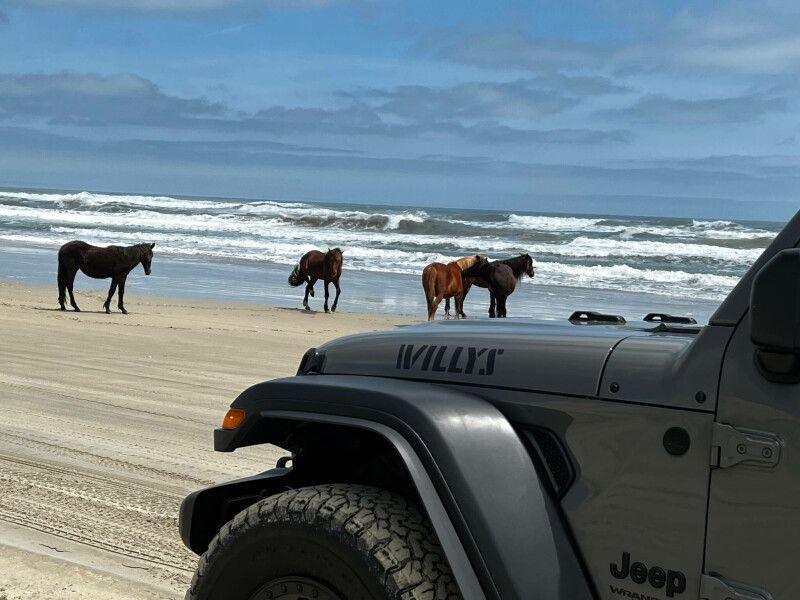
Using 4WD High vs. Low Range
Engage 4WD high range for firm sand and gentle slopes. Switch to low range when climbing steep dunes or driving through soft, deep sand for better control and torque.
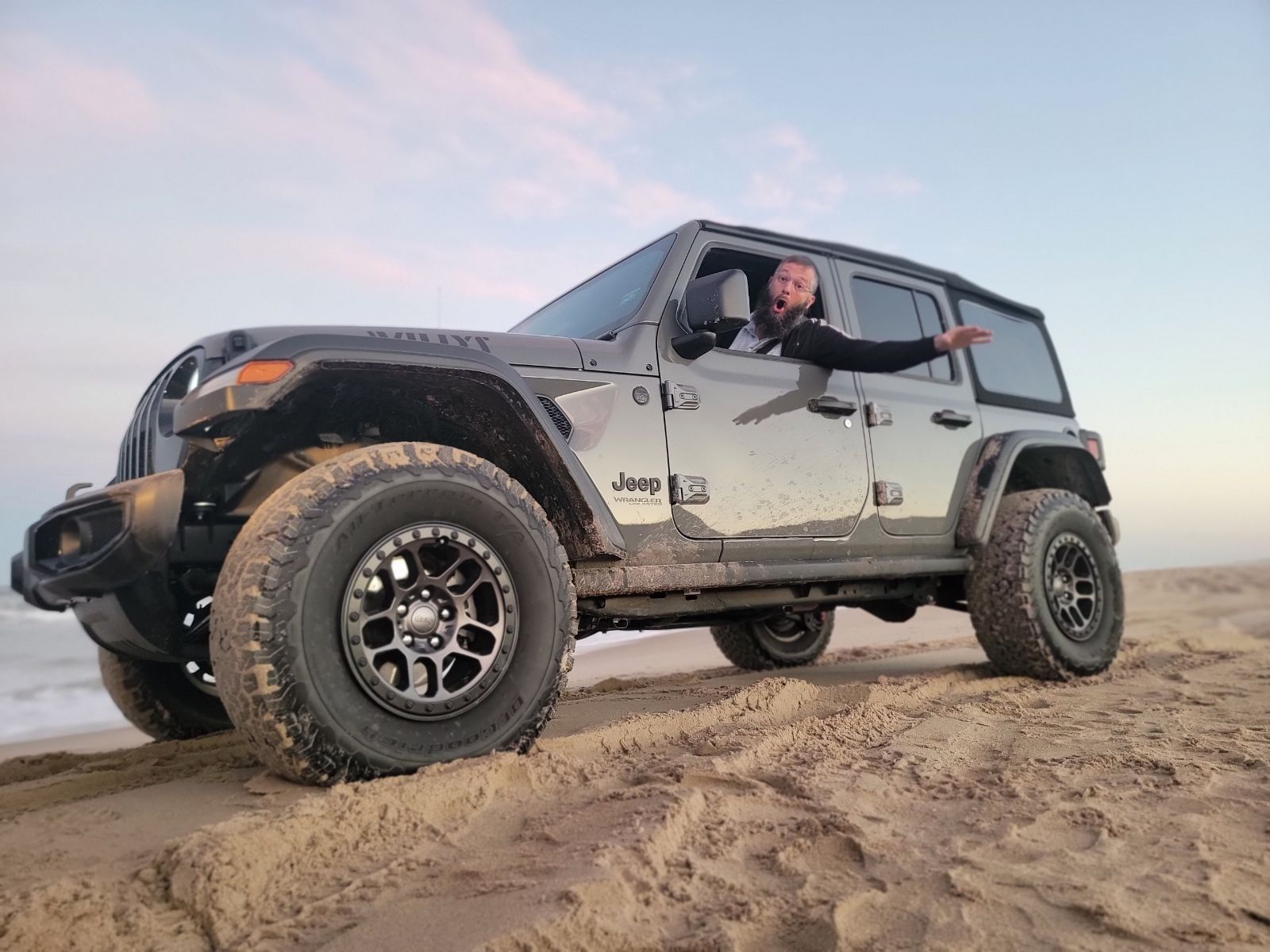
Recovering from Sand Spin or Sinking
If wheels spin or you start to sink, ease off the accelerator and avoid sudden turns. Lower tire pressure to increase surface area, then gently rock the vehicle forward and backward to regain traction.
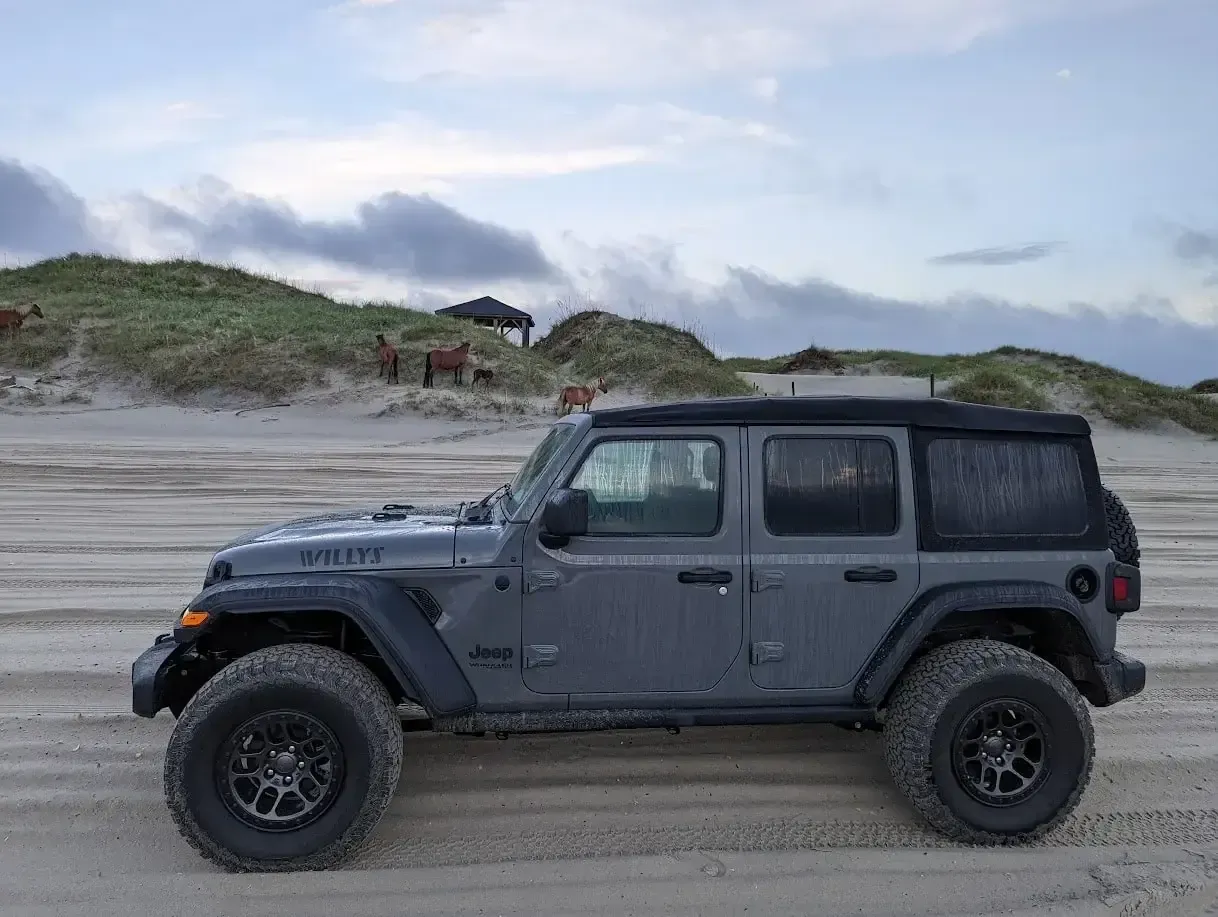
Driving Through Ocean Wash
Avoid driving directly through ocean wash where waves break. Saltwater can damage your vehicle and create unstable ground. Stick to damp but firm sand above the high tide line.
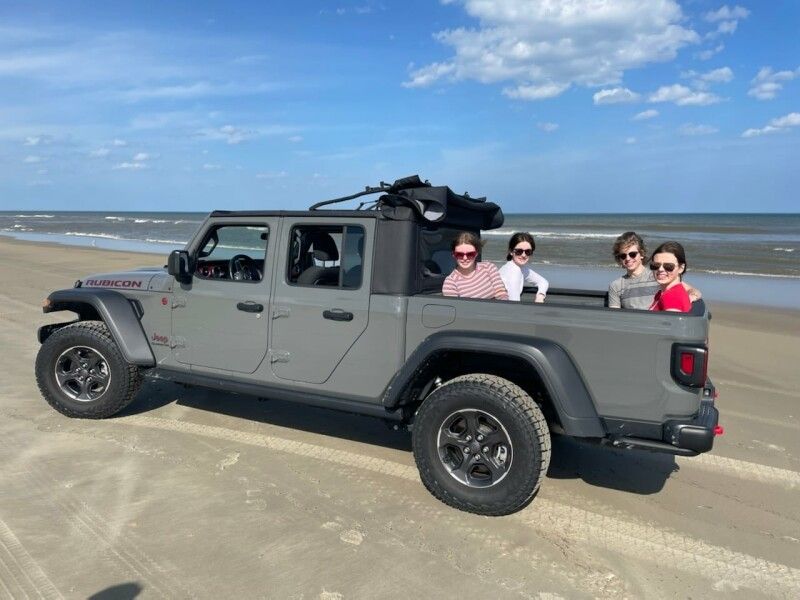
Following Established Tracks
Stay on marked or well-used tracks to protect fragile dunes and vegetation. Established paths offer firmer ground and reduce the risk of getting stuck or causing environmental damage.

Tire Pressure Tips for Sand Driving
Lowering tire pressure to around 15-18 psi improves traction on soft sand. Remember to reinflate tires before returning to paved roads to avoid damage.

Essential Gear for Beach Recovery
Carry recovery boards, a shovel, and a portable air compressor. These tools help you get unstuck quickly and safely without waiting for assistance.
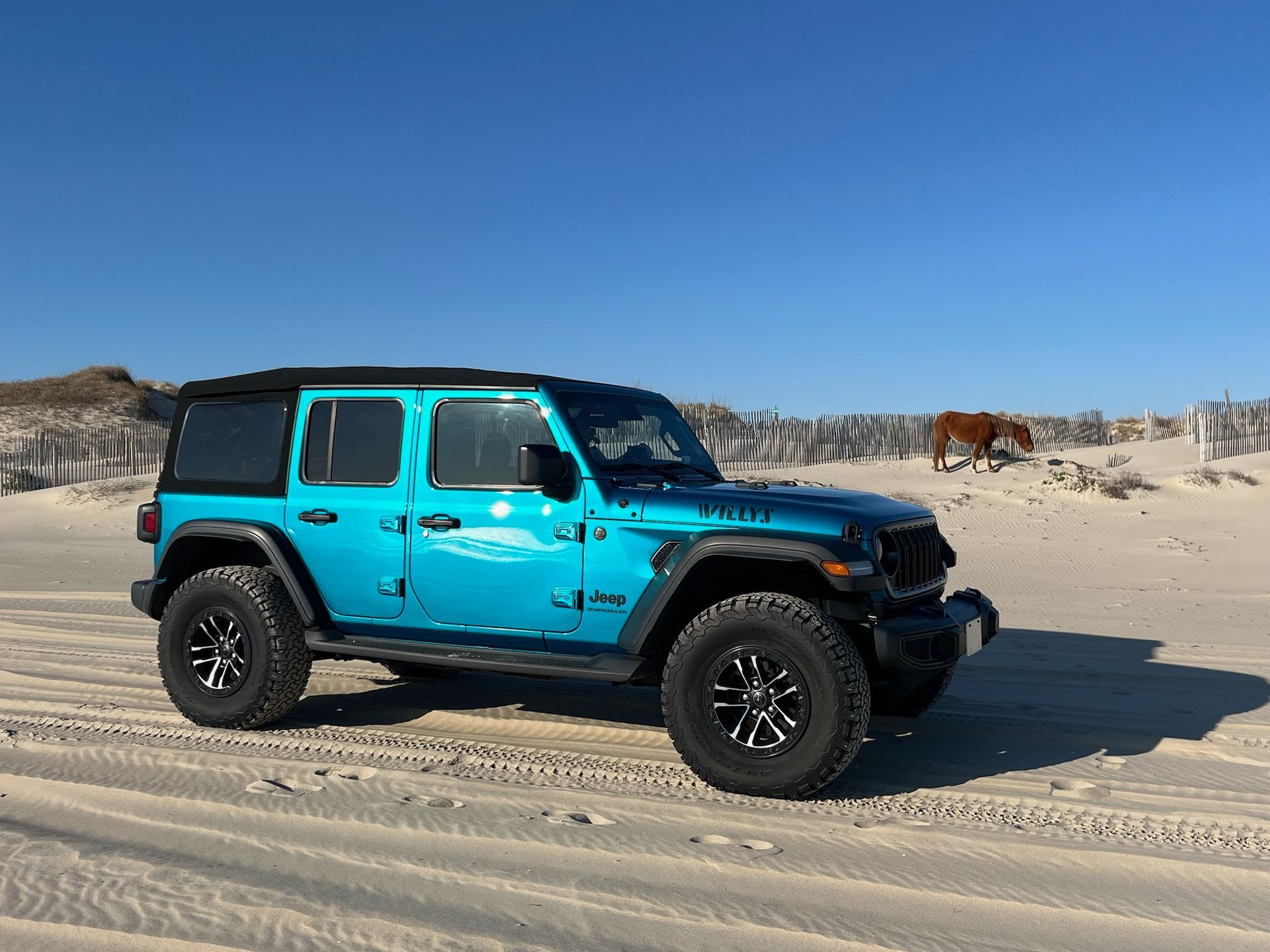
Safety First: Avoid Overconfidence
Drive at controlled speeds and avoid sharp turns on sand. Overconfidence can lead to accidents or getting stuck in remote areas.
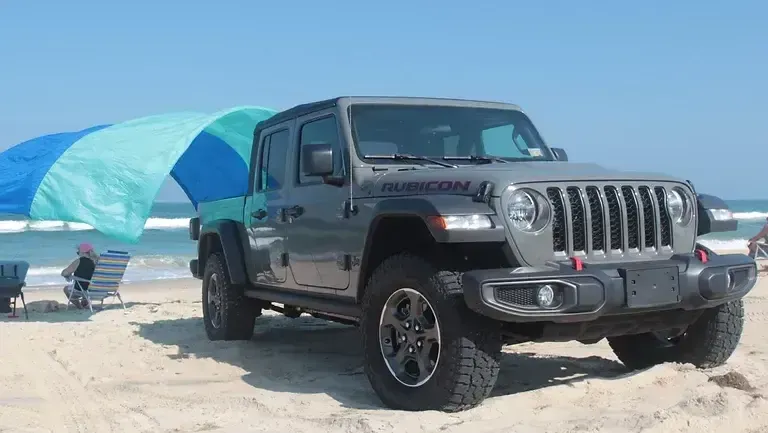
Check Weather and Tides Before Driving
Plan your trip around tide schedules and weather conditions. Rising tides can trap vehicles, and storms can change beach surfaces quickly.
Master safe beach driving with confidence